Buy the Book
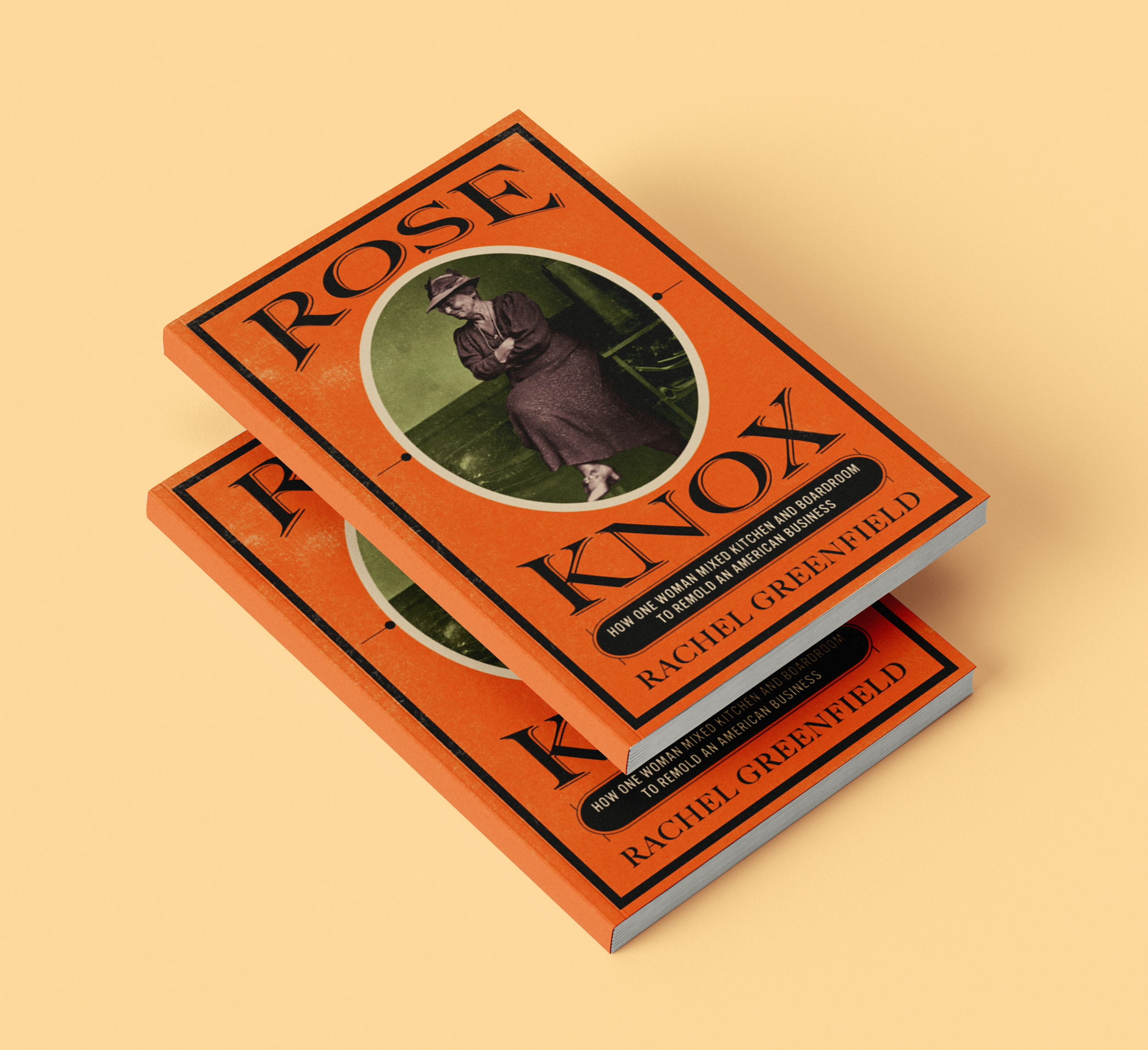
Rose Knox:
How One Woman Mixed Kitchen and Boardroom to Remold an American Business
Preorder now:
About Rose Knox
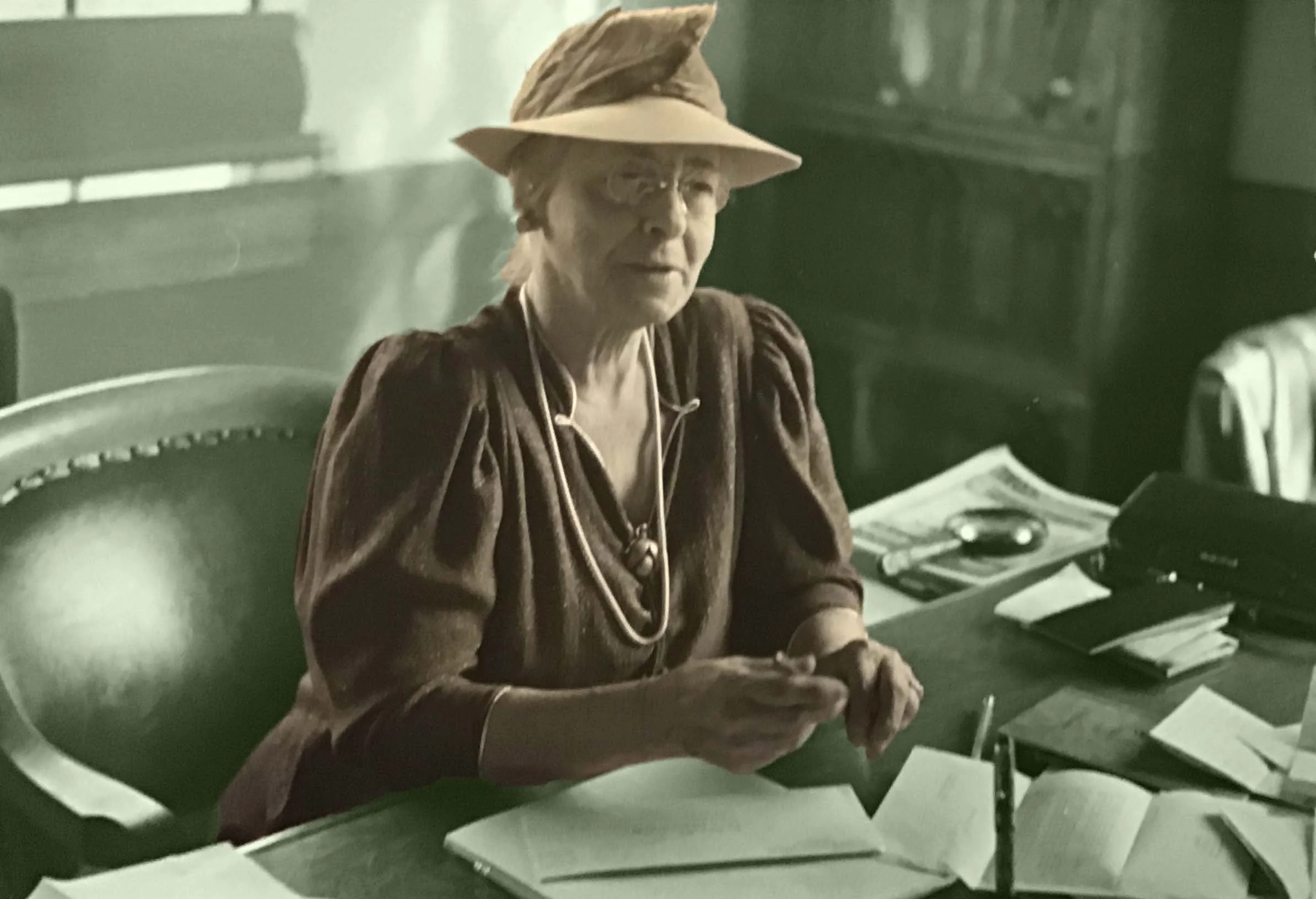
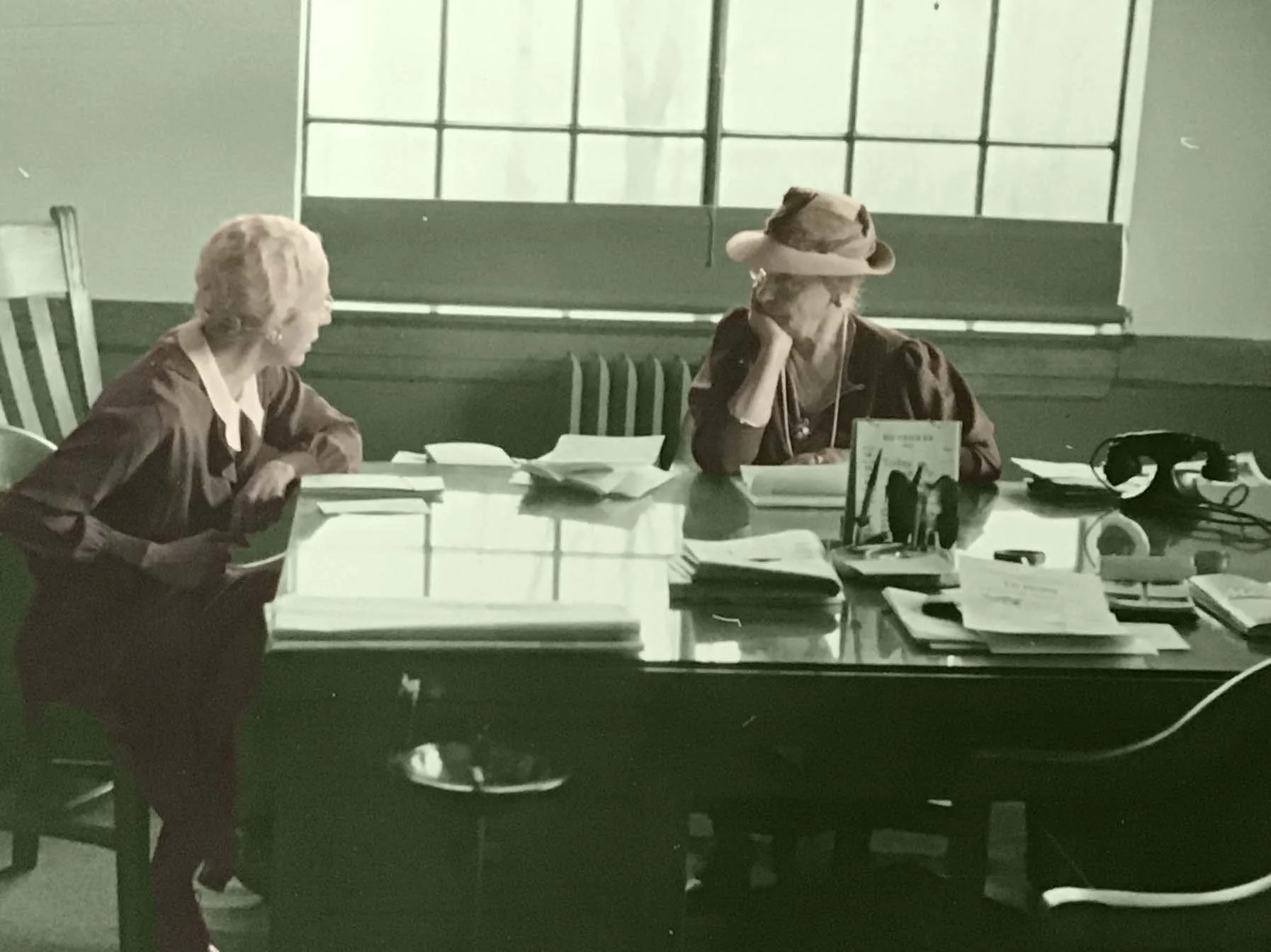
In 1914 after six years of secretly running the company, Rose Knox revealed that she'd assumed her deceased husband's position as the company's president. With creativity and persistence, she then skillfully drew upon traditional ideals of domesticity and womanhood to turn Knox Gelatine into an iconic American brand and herself into a business celebrity.
While gelatine may seem retro today, its low-cost flexibility made it a kitchen staple until the 1970s. With cookbooks, an elegantly curated persona, and a strong conviction that running a household could prepare women to lead businesses as well as men, Knox became nationally famous, grew revenues eight-fold and built a million-dollar company.
Millions of women found her example inspiring, loved her recipes, and admired her balancing of home and business, even though she didn't outwardly support suffrage, and never argued against the household and domestic expectations placed on women.
Rachel Greenfield intersperses gelatine recipes from the Knox brand throughout Knox's story—including Fruit Salad Sweet, Tomato Jelly Molded with Eggs, Chocolate Blanc Mange, and Strawberry Bavarian Cream—reminding us how integral gelatine was to kitchens and homes throughout the US.
An impressive and captivating story of entrepreneurial excellence and resilience despite personal tragedy, Rose Knox is a must-read contribution to the history of women in business and a triumph of a woman's food and business savvy.
“Knox Gelatine has long been a household staple, but few people know the remarkable woman who ran the company from 1908 to 1947: Rose Knox. Rachel Greenfield’s account of Knox’s life details how she managed business and family life in the age before feminism. Fascinating and inspiring.”
— Ken Albala, author of The Great Gelatin Revival
Advanced Reviews of Rose Knox
“We often say there aren't enough women role models in business. But there are. There were. Rose Knox built a national company, raised a family, and inspired millions — and then history forgot her. This book is a reclamation. A reminder that we don't have to start over. We just have to remember.”
— Whitney Johnson, Thinkers50 and Inc Magazine Top Management Thinker, 2025 ATD Talent Development Thought Leader Award
“Sometimes it takes a business woman to rescue another business woman from undeserved obscurity. Author Rachel Greenfield has put her Harvard MBA and business experience to work in recovering the dramatic history of Rose Knox, who transformed her late husband‘s regional gelatin business into a national industry. Widowhood freed Rose Knox to incorporate, manipulate, accommodate, and quietly subvert the social norms that constrained many white middle class American women in the first half of the 20th. Although business scholars will recognize a familiar pattern, Greenfield differentiates Rose Knox by her uncanny, strategic capability to use her personality , motherhood and homemaking skills to market gelatin in a way that appealed to scores of women homemakers. Rose Knox did not identify as a feminist. Author Greenfield manages to demonstrate that there are many ways to be a feminist and many kinds of feminisms, some more powerful than others. Indeed, Greenfield’s history makes clear that some businesses can operate both as springboards to autonomy and conservators of traditional values.”
—Mary Yeager, Professor Emerita, University of California, Los Angeles
"Rose Knox is an entertaining and instructive read, recipes included! It is the story of not only one remarkable woman but of many, forgotten figures who forged a distinctive blend of domesticity and business acumen. Their stories are worth remembering.”
—Anne-Marie Slaughter, CEO, New America and author of Unfinished Business.
“Rachel Greenfield has a great eye for detail and is attendant to what would have mattered to Rose Knox herself—her hats as well as her values. Greenfield helps readers understand Knox's achievements and challenges according to the constraints and expectations of her time. In turn this helps us to understand how much and also how little has changed since her time.”
—Megan Elias, author of Food on the Page
“Knox Gelatine has long been a household staple, but few people know the remarkable woman who ran the company from 1908 to 1947: Rose Knox. Rachel Greenfield’s account of Knox’s life details how she managed business and family life in the age before feminism. Fascinating and inspiring.”
— Ken Albala, author of The Great Gelatin Revival
“Rachel Greenfield reintroduces us to Rose Knox, a woman who Americans once knew and yet has been lost in modern memory. Few women today appreciate her deft negotiation of formerly masculine terrain to blaze pathways to civic leadership (even without the vote), financial independence, professional stature, popular resonance, and entrepreneurial success.”
— Julie Des Jardins, author of Lillian Gilbreth
“Rachel Greenfield’s experience as a Harvard MBA and corporate executive shines through as she resurrects this fascinating, important, and all-but-forgotten story of pioneering American entrepreneur Rose Knox. To succeed at a time when middle class white women were expected to be content with homemaking and wifely duties, Knox cultivated a motherly public persona that masqueraded the iron will she exercised in the boardroom. Having assumed control of the struggling family business after her husband’s death in 1908, Knox transformed Knox Gelatine into a powerhouse whose original, humble recipe remains an essential, ubiquitous ingredient for today’s desserts, salads, and pharmaceutical gel-caps. Rose Knox should be required reading in every business school.”
— A'Lelia Bundles, New York Times bestselling author of On Her Own Ground: The Life and Times of Madam C. J. Walker
“Greenfield has succeeded in gathering a compendium of research and explaining the intertwining threads of women’s history when suffrage was still illusive, when home economics was emerging from Victorian traditions, when business was being done midst cigar smoke in wood paneled offices, and widows were expected to remain in mourning.”
— Lynne Belluscio, Le Roy Municipal Historian; retired Director Le Roy Historical Society, home of the JELL-O Gallery Museum.